Francois Certain de Canrobert (1809-1895), Marshal of France
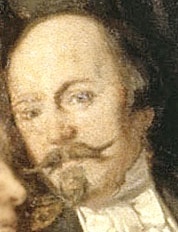
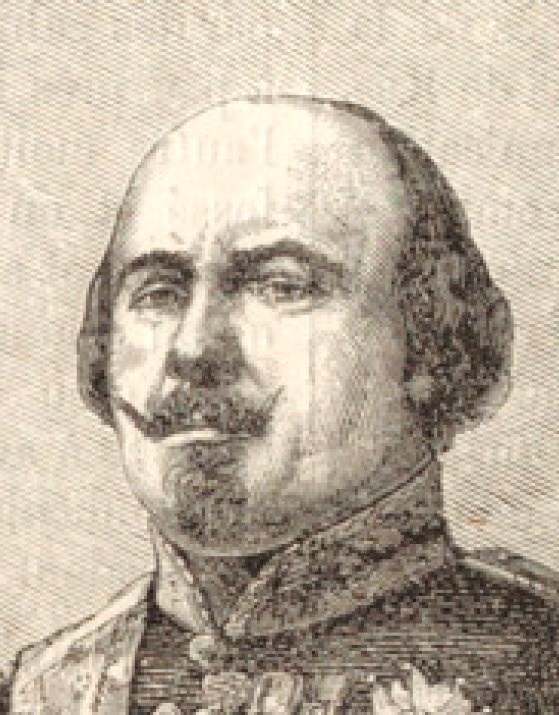
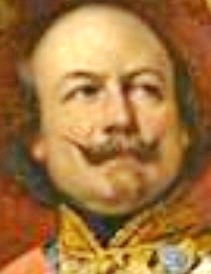
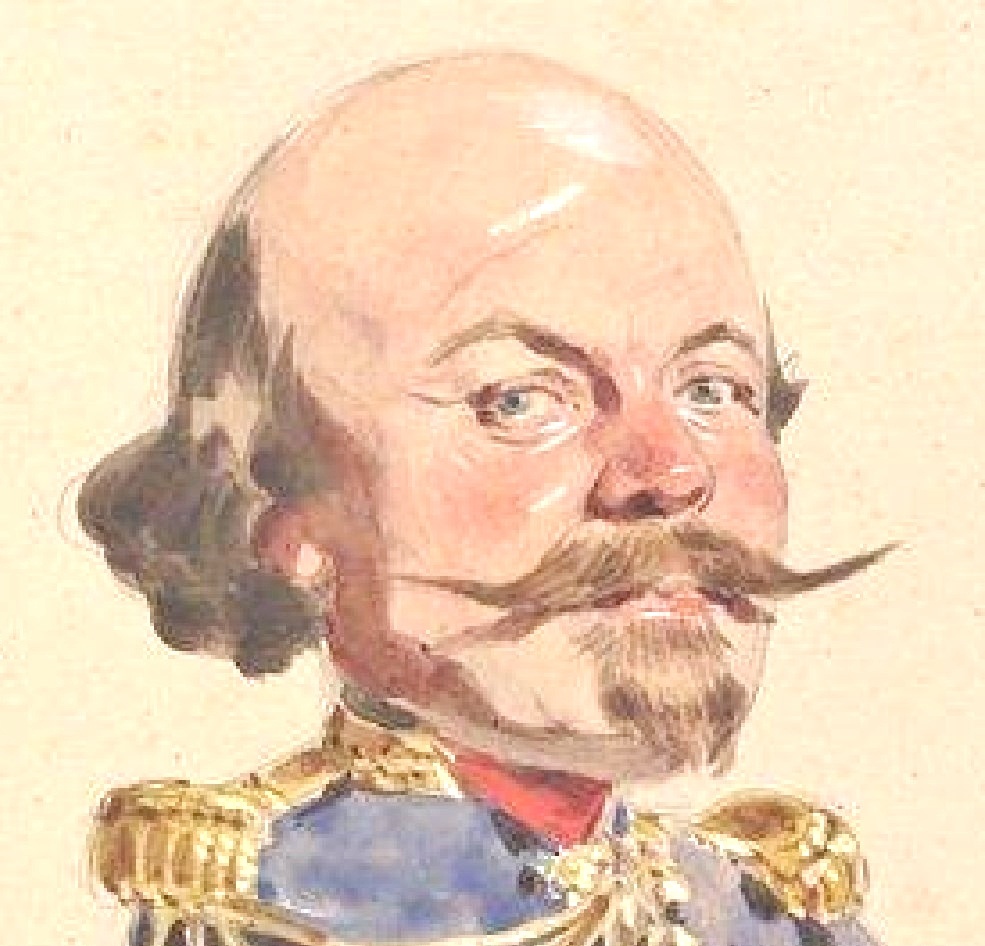
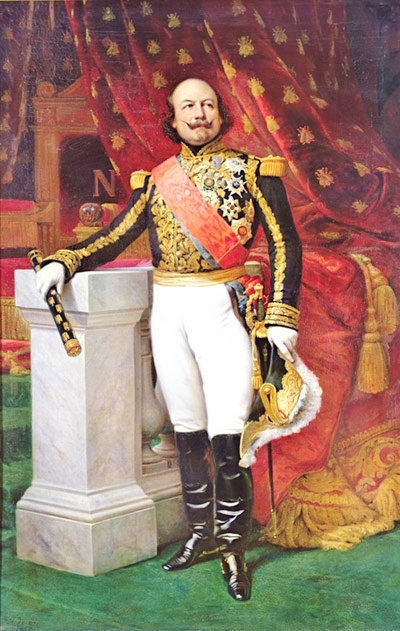
1st image: Soirée; 2nd: gravure from journal (1850s); 3rd: by Horace Vernet (1852); 4th: caricature by Giraud drawn at Nieuwerkerke's soirée (after 1856).
Having spent years away fighting wars, François de Canrobert’s presence at de Nieuwerkerke’s vendredi-soirée is unexpected. Although a devoted admirer of music and literature, his attendance was likely linked to his promotion to division general in January 1853. Giraud rendered his caricature several years later.
Canrobert’s military career began during the African campaigns under King Charles X, but his rise to prominence accelerated under the government of Louis-Napoléon. He played a pivotal role in Napoléon’s coup of December 1851, leading an infantry brigade that secured the streets and oversaw the arrest of approximately 26,000 rebellious civilians. His unwavering support for the empire extended through the Crimean, Italian, and Prussian wars.
In 1855, he entered the Senate, and the following year, he attained the highest military rank—Marshal of France.
His signature battlefield dispatch, "Everything is fine, signed Canrobert," remained true until the devastating defeat of France in the Prussian War of 1870. Following this loss, he redirected his focus toward politics, serving as senator for Lot, his birthplace, and Charente.
Canrobert was notably dissatisfied with Horace Vernet’s31 full-length portrait of him from 1852 (see image). He initially complained that the proportions were inaccurate. When Vernet demonstrated their correctness, Canrobert bluntly remarked, "I am hideously ugly." Misunderstanding the comment as a critique of his work, Vernet threatened to destroy the painting, prompting Canrobert to clarify that it was his own appearance—rather than Vernet’s artistry—that he objected to. While he accepted his short and somewhat corpulent figure, he hoped to be portrayed in a more refined and dignified manner.