Alexis Basile Alexandre Menjaud 1791-1861), archbishop
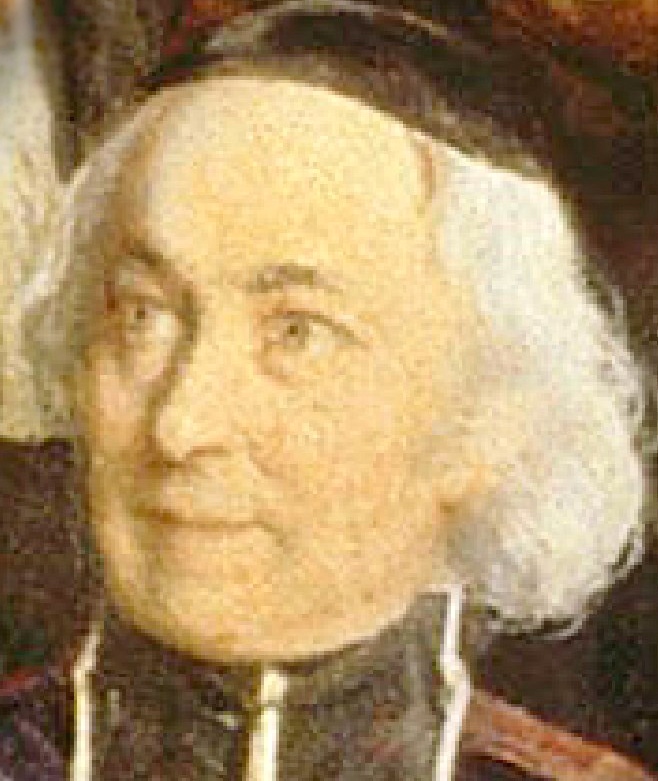
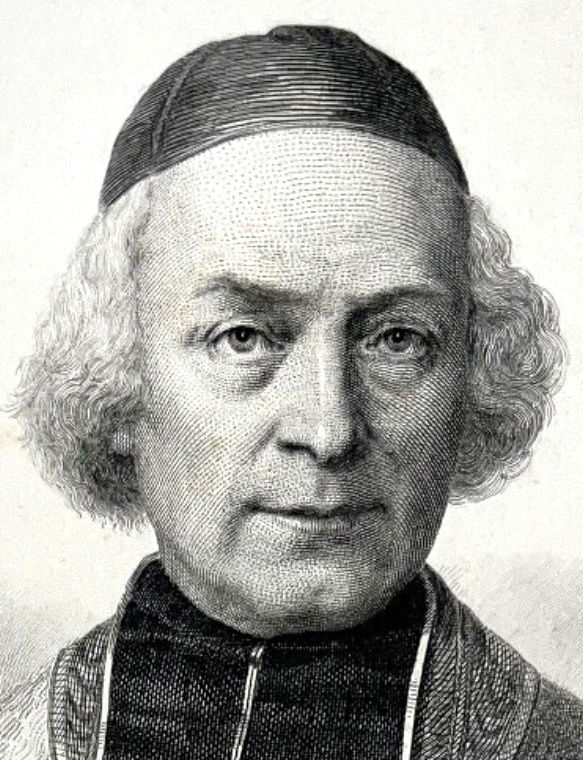
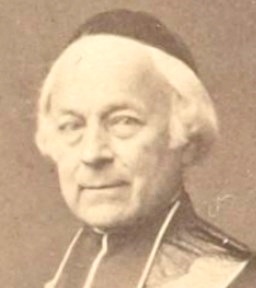
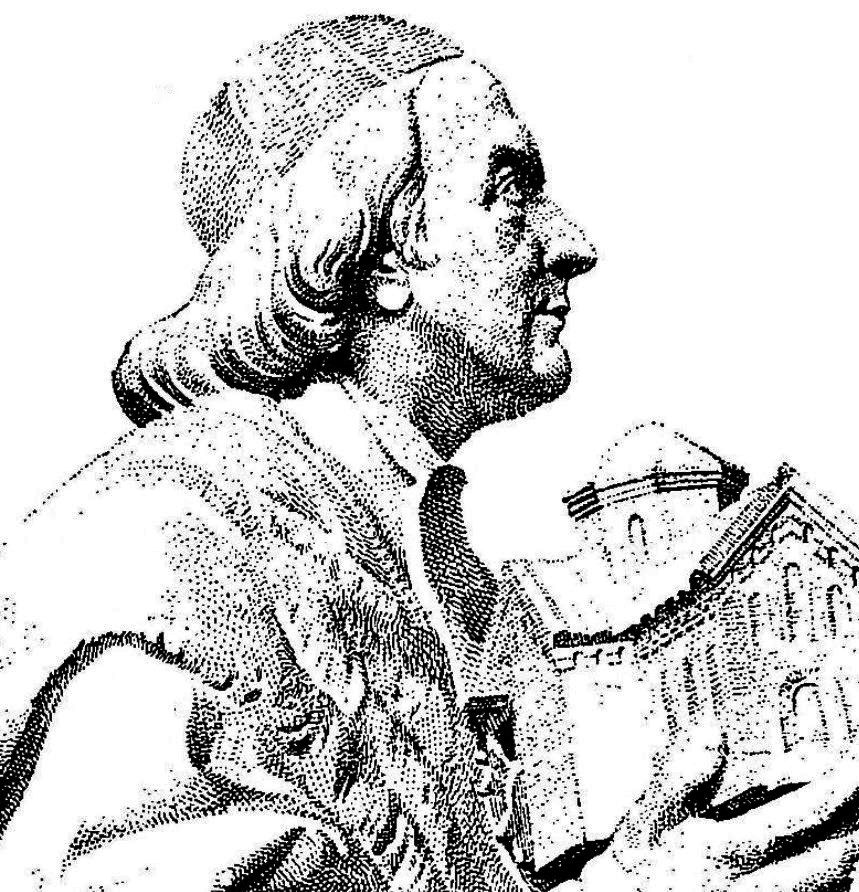
1st image: Soirée; 2nd: engraving (c.1840); 3rd: photo by Bingham (1852); 4th: statue by Cabuchet (1888).
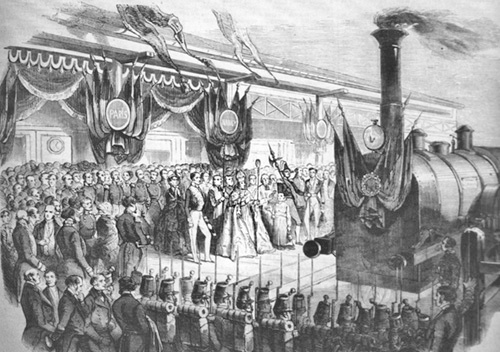
Alexis Menjaud’s invitation to de Nieuwerkerke’s16 vendredi-soirées likely occurred after June 1852, following his blessing of the first locomotive between Paris and Nancy and the junction of the Marne-Rhine Canal with the Moselle River, in the presence of Minister Fortoul46 —representing the emperor. His visit is confirmed by a press article.
Unlike Coquereau24, Menjaud was too distinguished to be caricatured by Eugène Giraud. Biard may also have relied on other images for his painting.
After completing his religious and philosophy studies at the Seminary of Avignon, Menjaud moved to Paris in 1813 to serve as personal assistant to Cardinal Maury. His passion for preaching and evangelical work made him an ideal candidate to lead the Collège Royal in Nancy from 1824 onward. His erudition and affable personality earned him the role of Bishop of Nancy in 1847.
The month after the inauguration of the Paris-Nancy Railroad, Napoleon III traveled to Nancy, where he met and befriended Menjaud. The bishop’s modern approach impressed the emperor, who appointed him Grand Almoner of the King in December —filling a position that had remained vacant since 1843.
This led to a delicate situation between Menjaud and Archbishop Sibour of Paris. While Menjaud conducted the public celebration of Napoleon III and Eugénie de Montijo’s wedding on January 29, 1853, it was Sibour who officiated the religious ceremony the following day.
To resolve tensions, Napoleon III reassigned the Grand Almoner position to Sibour in 1857, promoted Menjaud to Commander in the Légion d’Honneur, and endorsed his nomination as Archbishop of Bourges in 1859.
Menjaud, whose health had been fragile since childhood, passed away two years later from a series of strokes.
A dedicated collector of religious art and an ardent music lover, Menjaud corresponded with Hector Berlioz in 1853 regarding a performance of his Te Deum, which premiered in April 1855. Menjaud even composed a choral work, O Salutaris, with accompaniment for harp and organ by Auber56, now perceived as its composer.