Camille Doucet (1812 – 1895), poet, dramatist
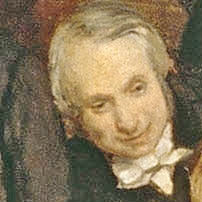
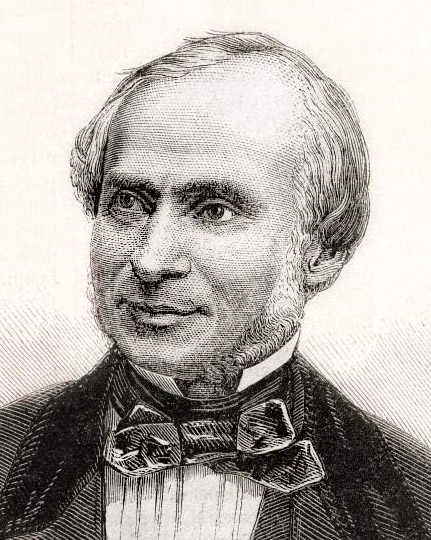
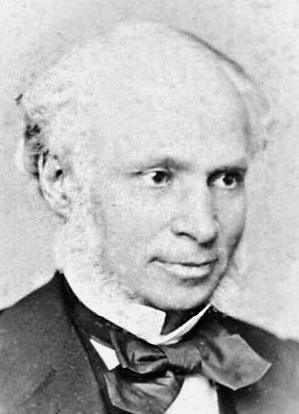
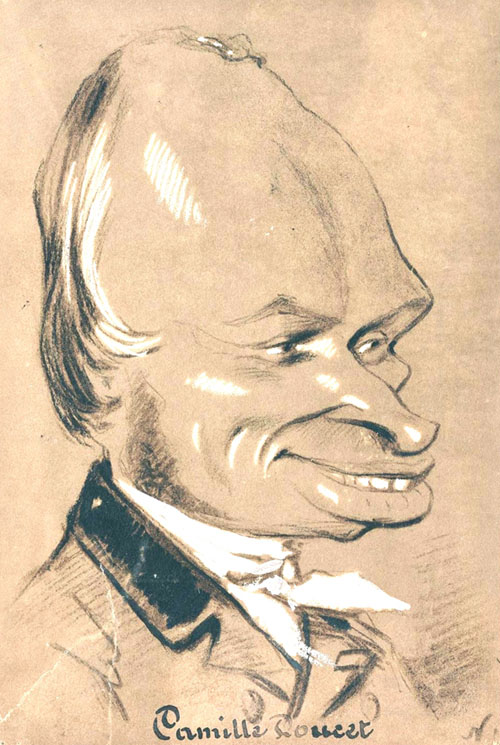
1st image: Soirée; 2nd: engraving (1866) of photo Frank (c.1855); 3rd: atelier Nadar (1866); 4th: caricature by Nadar (1851).
Poet and comedy-writer Camille Doucet is depicted in conversation with Regnault50a (or Liszt50b) who appears not to listen. Resident caricaturist Giraud11 did not have Doucet in his collection, but artist, writer, and photographer Nadar made his caricature at or around the time when Doucet attended the vendredi-soirées.
Doucet, nicknamed Camomille, is the most friendly, modest, gentle, and sincere person present in this painting. A man of ‘exquisite tact’, free from any vanity or envy. He had a sympathetic loving wife and daughter that were instrumental in organizing his salon and social life. He had no enemies, and no mistresses. Even Viel-Castel43 could not write anything bad about him.
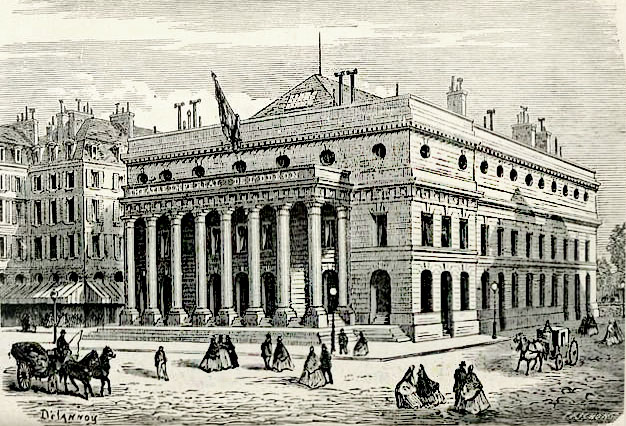
With his presence, he must have enlightened several Friday-soirées, one of which probably will have had excerpts from his most favorite play: Les ennemis de la maison, which premiered December 6, 1850 at theatre l’Odeon, with a reprise in December 1854. Even the emperor and empress, who typically attended only the more serious plays, visited his performances.
His plays offered a lighthearted balance to the darker, tragic, performances by tragedienne Rachel Félix81.
Born as son of a lawyer at the royal court, he studied law, but quickly found his vocation as vaudeville and comedy-writer. His plays were witty, refreshing, and modern at a time when typical comedy-plays were based on the 17th/18th century tradition of Molière and Regnard. His plays attracted a large audience and often turned into a festive event. He was revered by his actors and he supported them in their careers, such as with young Sarah Bernhardt.
Besides his artistic qualities, he served as administrator of the Theater Department. In January 1853, Doucet became head of that department under Fould's17 ministry of State, making him equal in rank to de Mercey22, head of the Beaux-Arts department, and de Nieuwerkerke16, director of the Museums. Within this function he aimed to gradually eliminate the censorship that existed since the coup of 1851. Thanks to his persistence and authority, freedom within the theater became possible in the 1860s.
By 1867, he allowed the return of cafés-concerts with ‘costumes and disguises, to perform plays, and indulge in acrobatic interludes’ with enabled the inauguration of the Folies Bergère in September 1872.
He was elected member of the French Academy in 1865, and was elected as its perpetual secretary in 1876.
Rheumatism and his dedication to his work made him stay at the Academy pavilion rather than at his barely heated home, where his wife complained that ‘sauces congealed’ on the plates in winter. Shortly after completing the Academy’s Annual Report, he died in his sleep at the Academy in April 1895.