Jean-François Bougenel (1786 – 1865), general
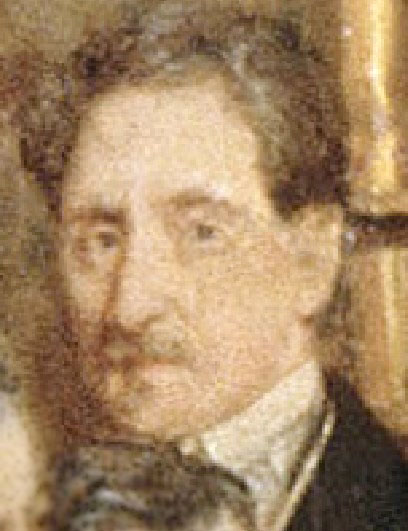
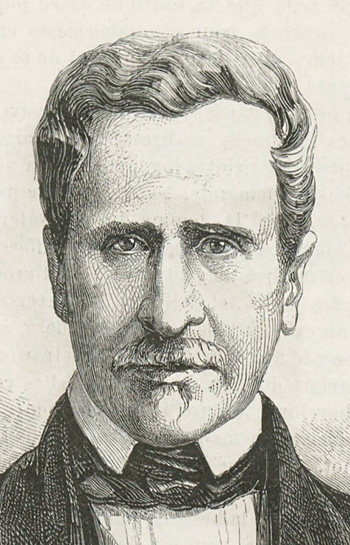
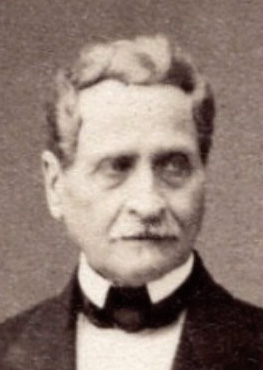
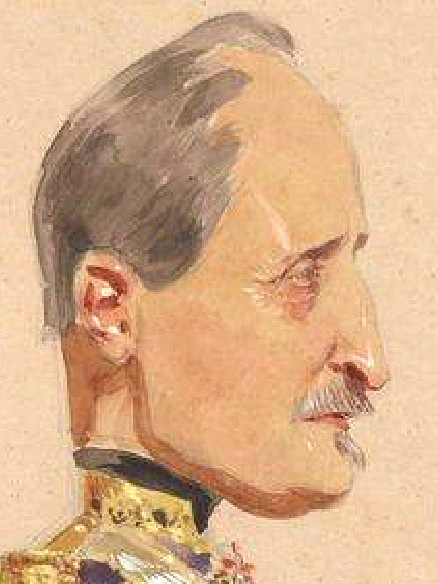
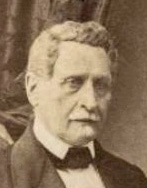
1st image: Soirée; 2nd: L’Illustration (c.1850); 3rd: Receuil Militaires (c.1855); 4th: caricature by Giraud (1860); 5th: by Maujean (c.1860).
One of sixteen men bearing the high rank of Grand Officier in Une Soirée, Général Jean François Bougenel quietly observes the scene from the side. He received a permanent invitation to the vendredi-soirées, together with Marshal Magnan67 (standing nearby), attending for the first time on 9 January 1852. From October 1853 Bougenel was designated the chevalier d’honneur of Princess Mathilde Bonaparte (the emperor’s cousin and the count de Nieuwerkerke’s intimate); the Princess is known to have listened in on some of these strictly male soirées from the small salon on the right, behind a curtain and de Nieuwerkerke’s bust of the Empress Eugénie (February 1852). Eugène Giraud11 caricatured Bougenel, in full-dress uniform and balding, on Friday 27 April 1860.
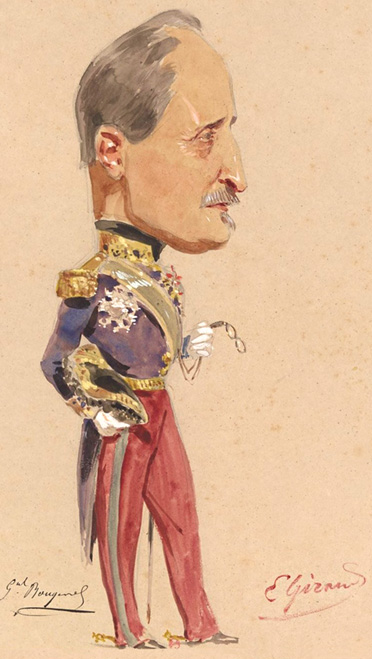
Bougenel came from humble origins. According to Viel-Castel’s43 journal, his father was the keeper of a greasy-spoon inn, which may explain why the young Bougenel entered the navy at fourteen and later attended the military school at Fontainebleau at eighteen to become a cavalry officer. His career took him to the eastern front —where the Russians captured him in 1813— to Waterloo in 1815, to Lille as commander in 1838 to preserve French presence during the conflict between Holland and Belgium, and to the Strasbourg region in 1849 to check Prussian military activity. He rose steadily through the ranks to attain the grade of général.
Bougenel does not appear to have shown particular interest in the musical or theatrical entertainments at the vendredi-soirées and he does not join the animated discussions of the nearby artists and comedians such as Isabey75 and Régnier77. His principal contribution to the arts seems to have been his support for the soldier-sculptor Auguste Clésinger, whom he met during an inspection at Haguenau. Clésinger had entered the army in 1838 but spent much of his time sketching his comrades (one franc a sheet) and drawing barracks rather than performing military duties. The paternal Bougenel recognised Clésinger’s artistic aptitude and lack of military vocation and authorised him to go to Paris to make a living as an artist. Clésinger —later known for his lifelike sculptures, for modelling Chopin’s left hand, and for his brief marriage to George Sand’s daughter Solange— repaid his commander by sculpting a bust of him (whereabouts presently unknown).
Like count de Nieuwerkerke16, the count de Morny48, and the minister Fould17, Bougenel shared a pronounced taste for horses. A broken arm sustained when his mount stumbled in July 1841 perhaps prompted his involvement in a committee to reduce equine losses by improving stable and health conditions. At the time horses were the army’s sole means of transport; through supervision and reforms of stable construction, forage quality (green food and hay) and water supply, shoeing, and the medical care of sick animals (including consideration of homeopathic remedies), Bougenel and his committee reduced army equine mortality from over 115 per thousand to 27 per thousand over twenty years. By December 1850 Bougenel had been awarded the second-highest grade of the Légion d’honneur, Grand Officier, visible by the insignia in Une Soirée.
In October 1853 Viel-Castel recorded in his diary: “[Princess Mathilde’s] chevalier d’honneur is a good and brave general named Bougenel, very familiar with gunpowder, but who did not invent it.” Bougenel relished his role as chevalier d’honneur. He regularly stayed at her château at Saint-Gratien, accompanied the Princess to Italy and to Belgirata on Lake Maggiore —where she had acquired villa Malgirata in 1861— and represented her at public ceremonies, from the funeral of the architect Visconti09 in December 1853 and Boulay’s38a funeral in 1858 to the burial of the count de Morny48 in March 1865.
It may have been the chill at this last funeral that precipitated the pneumonia from which he died at seventy-eight after a brief illness.
Princess Mathilde wrote of him in her Mémoires:
The General had every good quality, was always at his post, and kept his place marvellously. In all the years that he accompanied me as my chevalier d'honneur the excellent man never once trod upon my train!”
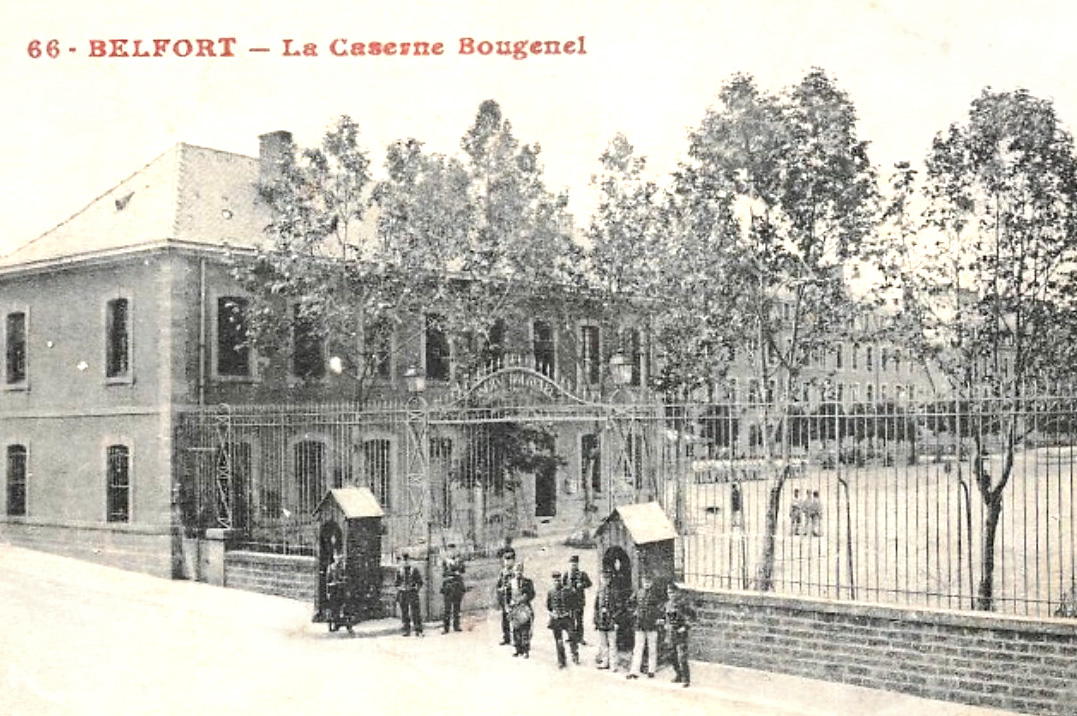
The sole lasting public commemoration of Bougenel’s career were the barracks (demolished in 1976) and a quarter in the town of Belfort that bears his name.